
Protect Your Data, Protect Your Future
Always stay informed with the latest
Always stay informed with the latest
Our mission is to educate and inform the public on the importance of data privacy, advocate for stronger privacy laws, and provide resources to help individuals and organizations protect their data.
We envision a future where privacy is respected, data is secure, and individuals have control over their personal information.
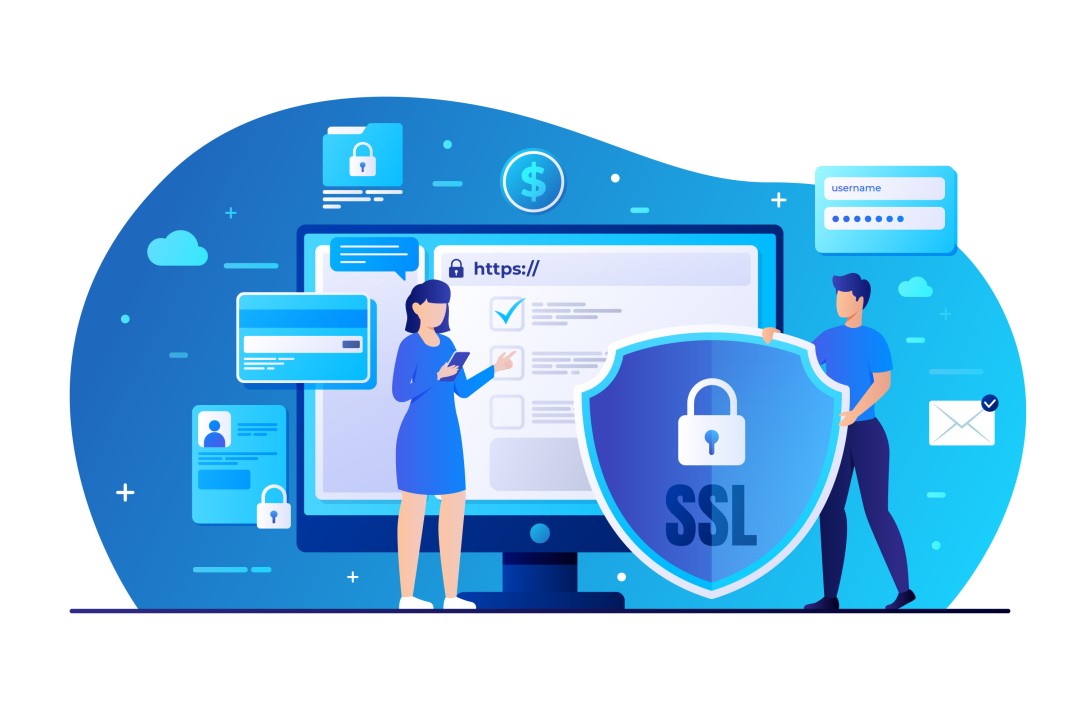
Data breaches involve unauthorized access to sensitive information, often resulting from weak
security or sophisticated cyber-attacks. High-profile breaches,
like those at Equifax and Yahoo, have exposed millions of personal records,
leading to severe consequences such as identity theft and financial loss.
For businesses, the fallout includes legal penalties, loss of trust, and
significant financial costs.
To protect against breaches, organizations must implement strong security measures like encryption, regular audits, and access controls. Individuals can safeguard themselves by using strong passwords, enabling two-factor authentication, and monitoring accounts for suspicious activity.
Data collection by governments and corporations is widespread, often used for security or personalized services. However, it raises concerns about privacy and the potential for invasive surveillance, with limited control for individuals over how their data is used.
To address these concerns, it's essential to advocate for transparency, informed consent, and strong data protection laws. Companies should prioritize privacy-by-design in their products, ensuring that users' privacy is protected throughout the development process.
Regulations like the GDPR in Europe and CCPA in California protect personal data by setting strict rules on data collection, storage, and sharing. These laws empower individuals with rights over their data but present compliance challenges for businesses, especially those operating internationally.
Companies must invest in comprehensive privacy programs and stay updated on regulatory changes to ensure compliance. Transparency and trust-building with customers are crucial, along with clear communication about data practices.
AI technologies, such as facial recognition and predictive analytics, offer significant benefits but also raise privacy concerns. These technologies can lead to unauthorized surveillance and biased decision-making, affecting individuals' lives and privacy.
To mitigate these risks, ethical guidelines and regulations are needed to ensure AI systems are transparent, fair, and respectful of privacy. It's essential to balance innovation with the protection of individual rights as AI continues to evolve..
A significant data breach has recently come to light, affecting millions of users worldwide. The breach involved unauthorized access to sensitive information, including personal identifiers like names, addresses, and financial data such as credit card numbers. This incident has sparked widespread concern over the growing frequency of such breaches and the potential for large-scale identity theft and financial fraud. The breach serves as a stark reminder of the ongoing challenges in cybersecurity, emphasizing the need for organizations to strengthen their security protocols, conduct regular vulnerability assessments, and educate users on protecting their personal information.

The year 2024 will see the introduction of new, more stringent data privacy regulations aimed at enhancing the protection of personal data across various sectors. These upcoming laws are expected to impose stricter controls on how companies handle user data, including more rigorous consent requirements, limitations on data retention, and enhanced rights for individuals to access and delete their data. The regulations will also likely include increased fines and penalties for non-compliance, encouraging businesses to prioritize data privacy in their operations. As these regulations roll out, companies will need to reassess their data management practices, invest in compliance initiatives, and ensure transparency in their interactions with consumers to maintain trust and avoid potential legal consequences.
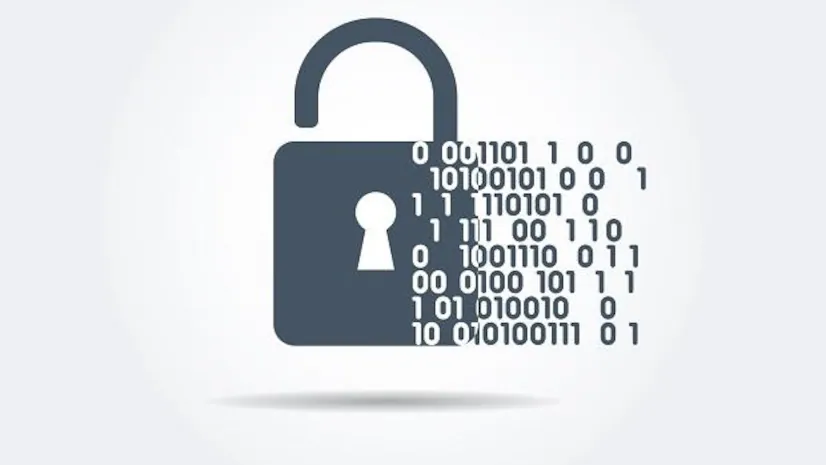
Data encryption is a fundamental technique for protecting sensitive information from unauthorized access. It works by converting data into a coded format that can only be deciphered with the correct decryption key, making it a crucial defense against data breaches. Encryption is used in various scenarios, such as securing communications, protecting files on devices, and ensuring safe online transactions. Implementing encryption can be straightforward, with many tools available for different needs. For instance, software like VeraCrypt and BitLocker can encrypt files and entire drives, while SSL/TLS certificates are essential for securing websites and online communications. Understanding the types of encryption—symmetric (where the same key is used for encryption and decryption) and asymmetric (which uses a public and a private key)—is vital for choosing the right solution for your data protection needs. For a deeper dive into encryption, you can explore resources like NIST’s Guide to Data Encryption.
The General Data Protection Regulation (GDPR) governs how personal data must be handled in the EU. Key compliance measures include obtaining explicit user consent, providing clear privacy notices, and allowing users to access or delete their data. Tools like OneTrust and TrustArc can assist with compliance. For a full overview, check out the EU’s official GDPR resource.